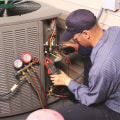
Refrigerant is a vital component in the operation of air conditioning (AC) units, serving as the medium through which heat is absorbed and released to create a comfortable indoor environment. Essentially, refrigerant is a chemical compound that transitions between liquid and gas states, allowing it to effectively transport heat. This unique property is what makes refrigerants indispensable in cooling systems, as they facilitate the removal of heat from your home and expel it outside, thereby lowering indoor temperatures.The function of refrigerant can be broken down into several key processes within an AC unit. Initially, the refrigerant enters the evaporator coil as a low-pressure gas.
As warm air from your home passes over the coil, the refrigerant absorbs this heat and evaporates into a gas. This process cools the air that is then circulated back into your living space. Once the refrigerant has absorbed enough heat, it travels to the compressor, where it is compressed into a high-pressure gas. This gas then moves to the condenser coil, where it releases the absorbed heat to the outside air and condenses back into a liquid state, ready to repeat the cycle.Understanding how refrigerant works in an AC system is crucial for homeowners.
When refrigerant levels are low due to leaks or improper maintenance, the entire cooling process becomes inefficient. Not only does this lead to inadequate cooling, but it can also cause significant strain on your AC unit, leading to costly repairs and increased energy bills. Therefore, maintaining proper refrigerant levels is essential for ensuring optimal performance and longevity of your air conditioning system.
Signs of Low Refrigerant Levels in Your AC Unit
Recognizing the signs of low refrigerant levels in your air conditioning unit is crucial for maintaining its efficiency and longevity. Ignoring these symptoms can lead to more severe issues, including costly repairs.Here are some common indicators that your AC may be low on refrigerant:
- Reduced Cooling Efficiency: One of the first signs you might notice is a significant drop in your AC's cooling performance. If your unit struggles to maintain the set temperature or takes longer than usual to cool down a room, it could be a sign of low refrigerant levels.
- Frozen Evaporator Coils: When refrigerant levels are insufficient, the evaporator coils can become too cold, causing moisture in the air to freeze on the coils. This results in ice buildup, which further restricts airflow and reduces cooling efficiency. If you notice ice forming on your AC unit, it’s essential to address the issue immediately.
- Unusual Noises: Low refrigerant can lead to strange sounds coming from your AC unit.
You may hear hissing or bubbling noises, which often indicate a refrigerant leak. Additionally, if the compressor is working harder than usual due to low refrigerant, it may produce loud or unusual sounds.
- Increased Energy Bills: If you notice a sudden spike in your energy bills without any changes in usage patterns, it could be due to your AC unit working overtime to compensate for low refrigerant levels. An inefficient system consumes more energy, leading to higher utility costs.
- Warm Air Blowing from Vents: If your AC is blowing warm air instead of cool air, it’s a clear indication that something is wrong. Low refrigerant levels can prevent the system from effectively cooling the air before it circulates through your home.
Regular maintenance checks by a qualified HVAC technician can help identify and resolve low refrigerant issues before they escalate into more significant problems. Addressing these signs early not only ensures optimal performance but also extends the lifespan of your AC unit.
Consequences of Low Refrigerant Levels
When it comes to the performance of your air conditioning unit, maintaining proper refrigerant levels is crucial. Low refrigerant levels can lead to a cascade of negative effects that not only compromise the efficiency of your AC system but also result in costly repairs and increased energy bills.Increased Energy ConsumptionIncreased Energy Consumption
One of the most immediate consequences of low refrigerant levels is increased energy consumption. When the refrigerant is insufficient, the AC unit struggles to cool your home effectively.
This inefficiency forces the system to work harder and longer to reach the desired temperature, leading to higher electricity usage. Over time, this can significantly inflate your utility bills, making it essential to address refrigerant issues promptly.
Potential Compressor Damage
The compressor is often referred to as the heart of your air conditioning system. It circulates the refrigerant through the system and is vital for cooling. When refrigerant levels drop, the compressor can overheat due to excessive strain.
This overheating can lead to premature failure, requiring expensive repairs or even a complete replacement of the compressor. In many cases, compressor damage is irreversible and can render your AC unit inoperable.
Reduced Cooling Capacity
Low refrigerant levels directly impact the cooling capacity of your AC unit. As the refrigerant absorbs heat from inside your home, insufficient amounts mean that less heat is removed from the air. This results in warmer indoor temperatures and discomfort for you and your family.
If left unaddressed, this issue can escalate into more severe problems, including frozen evaporator coils.
Higher Utility Bills
As mentioned earlier, an AC unit working harder due to low refrigerant levels will consume more energy, leading to higher utility bills. The longer you allow this situation to persist, the more you will pay in energy costs. Regular maintenance checks can help identify low refrigerant levels before they become a significant financial burden.
Conclusion
Understanding the consequences of low refrigerant levels is vital for any homeowner relying on an air conditioning system for comfort. From increased energy consumption and potential compressor damage to reduced cooling capacity and higher utility bills, the impacts are far-reaching.
Regular maintenance and prompt attention to refrigerant issues are essential for ensuring your AC unit operates efficiently and effectively.
Common Causes of Low Refrigerant Levels
Understanding the common causes of low refrigerant levels in your air conditioning unit is essential for maintaining its efficiency and longevity. Several factors can contribute to a drop in refrigerant, and being aware of these can help homeowners take proactive measures to prevent costly repairs.1.Refrigerant Leaks
The most prevalent cause of low refrigerant levels is leaks within the system. Over time, the materials used in the refrigerant lines can degrade due to exposure to heat and pressure, leading to small cracks or holes. These leaks allow the refrigerant to escape, resulting in insufficient levels for optimal cooling performance.
2.Poor Installation Practices
If an air conditioning unit is not installed correctly, it can lead to various issues, including refrigerant leaks.
For instance, improper sealing of joints or connections can create weak points where refrigerant may escape. Additionally, if the system is not charged with the correct amount of refrigerant during installation, it may lead to low levels over time.
3.Wear and Tear
As with any mechanical system, wear and tear are inevitable. Components such as seals and gaskets can deteriorate over time, leading to leaks. Regular maintenance checks can help identify these issues before they escalate into significant problems.
4.Corrosion
Corrosion can also be a significant factor in refrigerant leaks.
The metal components of your AC unit may corrode due to moisture or chemical exposure, creating openings for refrigerant to escape. This is particularly common in older units that have not been well-maintained.
5.Physical Damage
Accidental damage from external sources, such as landscaping equipment or severe weather conditions, can also compromise the integrity of your AC unit's refrigerant lines. Even minor impacts can lead to cracks that allow refrigerant to leak.
6.Manufacturing Defects
In rare cases, manufacturing defects can result in faulty components that are prone to leaking. If you suspect that your AC unit has a defect, it’s crucial to consult with a professional technician who can assess the situation and recommend appropriate action.By understanding these causes of low refrigerant levels, homeowners can take preventive measures such as scheduling regular maintenance checks and ensuring proper installation practices are followed.
Addressing these issues promptly will not only enhance the efficiency of your AC unit but also extend its lifespan.
The Importance of Regular AC Tune-Ups
Regular AC tune-ups are essential for ensuring that your air conditioning system operates at peak efficiency. These routine maintenance checks not only help in identifying potential issues before they escalate but also play a crucial role in maintaining optimal refrigerant levels, which is vital for the overall performance of your unit.One of the primary benefits of scheduling regular AC tune-ups is the prevention of refrigerant leaks. During a tune-up, a qualified technician will inspect the refrigerant lines for any signs of wear or damage. By catching these issues early, you can avoid the costly repairs associated with low refrigerant levels, which can lead to inefficient cooling and increased energy bills.Moreover, regular maintenance helps in keeping the evaporator and condenser coils clean.Dirty coils can hinder the heat exchange process, causing your AC unit to work harder to cool your home. This increased workload not only affects the refrigerant levels but also leads to higher energy consumption and premature wear on the system components.Another significant advantage of routine AC maintenance is improved air quality. During a tune-up, technicians often replace or clean air filters, which can accumulate dust and allergens over time. Clean filters ensure that your system runs efficiently while providing you with cleaner air to breathe.As for how often you should schedule an AC tune-up, it is generally recommended to have your system serviced at least once a year, ideally before the cooling season begins.
This proactive approach allows you to address any potential issues and ensures that your unit is ready to handle the demands of hot weather.In conclusion, regular AC tune-ups are not just a good idea; they are a necessary part of maintaining an efficient and effective air conditioning system. By investing in routine maintenance, you can ensure optimal refrigerant levels, enhance energy efficiency, and prolong the lifespan of your unit.
How to Maintain Proper Refrigerant Levels
Maintaining proper refrigerant levels in your AC unit is essential for optimal performance and efficiency. Here are some practical tips to help you keep your refrigerant levels in check:- Regular Inspections: Schedule regular inspections of your AC unit, ideally at the beginning of the cooling season. A professional HVAC technician can assess the refrigerant levels and check for any leaks or issues that may affect performance.
- Monitor Performance: Pay attention to how your AC unit is performing.
If you notice a decrease in cooling efficiency, it could be a sign of low refrigerant levels. Additionally, if your energy bills suddenly spike without a change in usage, it may indicate that your system is working harder due to insufficient refrigerant.
- Check for Ice Buildup: Inspect the evaporator coil and surrounding areas for any signs of ice buildup. If you see frost or ice forming, it could mean that the refrigerant levels are too low, causing the coil to freeze. This is a clear indication that you should call a professional.
- Look for Leaks: Regularly check the refrigerant lines for any visible signs of wear or damage.
Small cracks or holes can lead to refrigerant leaks, which can significantly impact your system's efficiency. If you suspect a leak, contact a technician immediately.
- Keep Air Filters Clean: Clogged air filters can restrict airflow and cause your AC unit to work harder, potentially leading to low refrigerant levels. Change or clean your air filters regularly to ensure proper airflow and system efficiency.
By following these tips and being proactive about maintenance, you can help prevent costly repairs and ensure a comfortable environment in your home.
FAQs About Refrigerants and AC Maintenance
When it comes to maintaining your air conditioning system, understanding refrigerants and their role is crucial. Here are some frequently asked questions that can help clarify common concerns regarding refrigerants and AC maintenance.What is refrigerant, and why is it important?
Refrigerant is a chemical compound used in your AC unit to absorb and release heat, allowing for effective cooling. It circulates through the system, changing from gas to liquid and back again, which is essential for the cooling process. Maintaining proper refrigerant levels is vital for optimal performance and energy efficiency.How do I know if my AC unit is low on refrigerant?
Signs of low refrigerant levels include:- Reduced cooling efficiency: If your AC struggles to cool your home effectively, it may be low on refrigerant.
- Frozen evaporator coils: Ice buildup on the coils indicates that the refrigerant levels are insufficient.
- Hissing or bubbling sounds: These noises can signal a refrigerant leak in the system.
How often should I have my AC tuned up?
It is recommended to schedule an AC tune-up at least once a year, ideally before the summer season.Regular maintenance helps ensure that your system operates efficiently, prolongs its lifespan, and prevents costly repairs.
Can I recharge my AC unit myself?
While some homeowners may attempt to recharge their AC units, it is not advisable. Handling refrigerants requires specialized knowledge and tools due to safety concerns and environmental regulations. It’s best to hire a certified HVAC technician for this task.What are the consequences of ignoring low refrigerant levels?
Neglecting low refrigerant levels can lead to:- Increased energy bills: An undercharged system works harder, consuming more energy.
- Compressor damage: Low refrigerant can cause the compressor to overheat and fail, leading to expensive repairs.
- Poor indoor air quality: A malfunctioning AC unit may not filter air properly, affecting your home’s air quality.
Conclusion: Ensuring Efficient Cooling Through Proper Refrigerant Management
In summary, maintaining proper refrigerant levels in your air conditioning unit is not just a matter of convenience; it is essential for the overall efficiency and longevity of your system.Throughout this article, we have explored the various consequences of low refrigerant levels, including reduced cooling capacity, increased energy consumption, and potential damage to critical components like the compressor.One of the most alarming issues associated with low refrigerant is the freezing of the evaporator coil. This not only hampers the cooling process but can also lead to complete system shutdowns, resulting in costly repairs and discomfort during hot weather. Additionally, as your AC unit struggles to maintain the desired temperature, you may notice a significant spike in your energy bills, which can strain your budget.To prevent these issues, it is crucial to prioritize regular maintenance checks for your AC unit. Engaging a qualified HVAC technician can help identify any leaks or deficiencies in refrigerant levels before they escalate into more serious problems.
Regular tune-ups not only ensure that your system operates efficiently but also extend its lifespan, saving you money in the long run.Moreover, understanding the signs of low refrigerant—such as inconsistent cooling or unusual noises—can empower you to take action promptly. By being proactive about your AC maintenance and addressing any refrigerant-related issues quickly, you can enjoy a comfortable indoor environment without the worry of unexpected breakdowns.In conclusion, proper refrigerant management is vital for ensuring efficient cooling in your home. By committing to regular maintenance and being vigilant about potential issues, you can keep your air conditioning system running smoothly and effectively for years to come.