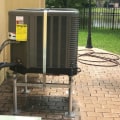
Freon, a brand name for a class of chemicals known as refrigerants, plays a pivotal role in the operation of air conditioning systems. Understanding what Freon is and how it functions is essential for homeowners who want to ensure their AC units operate efficiently and effectively. At its core, Freon is responsible for absorbing heat from the indoor air and releasing it outside, thereby cooling your living space. This process is fundamental to the cooling cycle of an air conditioning system, making Freon an indispensable component.In an air conditioning system, Freon circulates through a closed loop of coils and lines.
As it evaporates inside the evaporator coil, it absorbs heat from the air in your home, which cools the air that is then circulated back into your living spaces. Once it has absorbed enough heat, the Freon gas travels to the compressor, where it is pressurized and sent to the condenser coil outside. Here, it releases the absorbed heat into the outdoor environment and condenses back into a liquid state, ready to repeat the cycle. This continuous process highlights the importance of maintaining proper levels of Freon; any deficiency can disrupt this cycle and lead to inefficiencies.Moreover, understanding the role of Freon extends beyond just its function in cooling.
It also impacts energy efficiency and overall system performance. Low levels of Freon can cause your air conditioning unit to work harder than necessary, leading to increased energy consumption and higher utility bills. Additionally, running an AC unit with insufficient refrigerant can result in long-term damage to critical components like the compressor. Therefore, recognizing the signs of low Freon levels and addressing them promptly is crucial for maintaining not only comfort but also the longevity of your air conditioning system.
Signs Your Air Conditioner is Low on Freon
Identifying the signs that your air conditioner is low on Freon is crucial for maintaining its efficiency and longevity.Ignoring these symptoms can lead to more severe issues, including costly repairs or complete system failure. Here are some common indicators that your AC unit may be suffering from low refrigerant levels:
- Insufficient Cooling: One of the most noticeable signs of low Freon is a lack of cool air coming from the vents. If your air conditioner is running but not effectively cooling your home, it may be struggling due to inadequate refrigerant.
- Longer Cooling Cycles: If you notice that your AC unit is running for extended periods without reaching the desired temperature, this could indicate low refrigerant levels. The system has to work harder to cool the space, leading to longer cycles.
- Ice Formation: Another alarming sign is the presence of ice on the evaporator coils or refrigerant lines.
Low Freon can cause the coils to become too cold, leading to condensation freezing on the surface. This not only hampers cooling efficiency but can also damage the unit.
- Unusual Noises: If you hear strange sounds such as hissing or bubbling, it may suggest a refrigerant leak. These noises occur when the refrigerant escapes from the system, indicating that your AC is not functioning properly.
- Increased Energy Bills: A sudden spike in your electricity bill can be a red flag. When an air conditioner operates with low Freon, it consumes more energy as it struggles to maintain a comfortable temperature, leading to higher utility costs.
- Warm Air Blowing: If you feel warm air instead of cool air from your vents, it’s a clear sign that something is wrong.
Low refrigerant levels can prevent the system from cooling effectively, resulting in warm air circulation.
The Dangers of Running an AC with Low Freon
Operating an air conditioning unit with low Freon levels can lead to a multitude of serious issues that not only affect the performance of the system but can also result in costly repairs and increased energy bills. Understanding these dangers is crucial for homeowners who want to maintain their AC units effectively.One of the primary risks associated with low refrigerant levels is compressor damage.The compressor is the heart of the air conditioning system, responsible for circulating refrigerant throughout the system. When Freon levels drop, the compressor has to work harder to maintain the desired temperature. This excessive strain can lead to overheating and eventual failure of the compressor, which is one of the most expensive components to replace.In addition to compressor damage, running an AC unit with low Freon can cause energy inefficiency. When refrigerant levels are insufficient, the system struggles to cool your home effectively.
As a result, it runs longer and consumes more electricity, leading to higher utility bills. Homeowners may notice a significant spike in their energy costs during hot months if their AC is not functioning optimally due to low refrigerant.Another consequence of low Freon levels is the potential for system failures. If the refrigerant continues to leak or remains low for an extended period, it can lead to further complications such as frozen evaporator coils. When these coils freeze, airflow is restricted, causing even more strain on the system and potentially leading to complete breakdowns.
This not only disrupts comfort but also necessitates urgent repairs that could have been avoided with timely maintenance.Moreover, low Freon levels can create a domino effect on other components within the air conditioning system. For instance, prolonged operation under these conditions can lead to premature wear and tear on parts like fans and motors, increasing the likelihood of frequent repairs. This cascading effect can turn a minor issue into a major headache for homeowners.In summary, running an air conditioner with low Freon poses significant risks including compressor damage, energy inefficiency, and potential system failures. It is essential for homeowners to monitor their AC units regularly and seek professional assistance at the first sign of low refrigerant levels to avoid these costly consequences.
How Low Freon Affects Energy Efficiency and Costs
When an air conditioning unit operates with low Freon levels, the impact on energy efficiency can be significant.The refrigerant is essential for the cooling process, and when it is insufficient, the system struggles to maintain the desired temperature. This struggle leads to increased energy consumption as the unit works harder to cool your home.One of the primary consequences of low refrigerant levels is that the air conditioner’s compressor must run longer and more frequently. The compressor is responsible for circulating the refrigerant through the system, and when it has to work overtime due to low Freon, it not only consumes more electricity but also increases wear and tear on its components. This can lead to a vicious cycle where higher energy bills are accompanied by more frequent repairs.Homeowners may notice a direct correlation between their energy bills and the performance of their air conditioning system.
As the unit struggles to cool effectively, it draws more power, resulting in higher monthly utility costs. In fact, running an AC unit with low Freon can increase energy consumption by as much as 20-30%, depending on how long the issue persists.Moreover, this inefficiency can lead to premature system failure. If left unaddressed, the increased strain on the compressor can result in catastrophic failure, necessitating costly repairs or even a complete replacement of the unit. The financial implications of ignoring low Freon levels extend beyond just higher energy bills; they can also lead to significant repair costs that could have been avoided with timely maintenance.To mitigate these issues, homeowners should consider regular AC tune-ups.
During these maintenance checks, technicians can identify low refrigerant levels and address them before they lead to more severe problems. By ensuring that your air conditioning system is operating at optimal efficiency, you can save money on energy costs while prolonging the lifespan of your unit.In summary, understanding how low Freon affects energy efficiency is crucial for homeowners looking to manage their utility expenses effectively. By addressing refrigerant issues promptly and investing in regular maintenance, you can avoid unnecessary costs and ensure your air conditioning system runs smoothly.
Preventive Measures to Avoid Low Freon Levels
To ensure your air conditioning system operates efficiently and to prevent low freon levels, implementing a series of preventive measures is essential. Regular maintenance not only enhances the performance of your AC unit but also extends its lifespan, saving you from costly repairs down the line.- Schedule Regular AC Tune-Ups: One of the most effective ways to maintain optimal refrigerant levels is to schedule regular AC tune-ups with a qualified technician.
These professional inspections can identify potential issues before they escalate, ensuring that your system runs smoothly.
- Inspect for Leaks: Regularly check your air conditioning system for any signs of refrigerant leaks. Common indicators include hissing sounds, ice buildup on the coils, or a noticeable drop in cooling efficiency. If you suspect a leak, contact a professional immediately to address the issue.
- Keep Coils Clean: Dirty evaporator and condenser coils can hinder the efficiency of your AC unit, leading to increased pressure and potential refrigerant loss. Make it a habit to clean these coils at least once a year, or more frequently if you live in a dusty environment.
- Change Air Filters Regularly: Clogged air filters restrict airflow, causing your AC unit to work harder than necessary.
This can lead to increased wear and tear on components and may contribute to low freon levels. Change or clean your air filters every 1-3 months, depending on usage.
- Monitor System Performance: Pay attention to how your air conditioning system performs throughout the cooling season. If you notice any changes in temperature or unusual noises, it may be time for an inspection. Early detection of issues can prevent further complications.
- Seal Ductwork: Leaky ducts can lead to significant energy loss and may cause your AC unit to work harder, potentially affecting refrigerant levels.
Ensure that all ductwork is properly sealed and insulated to maintain efficiency.
What to Do If You Suspect Low Freon Levels in Your AC
If you suspect that your air conditioning unit is running low on Freon, it’s crucial to take immediate action to prevent further damage and ensure your home remains comfortable. Here are the steps you should follow:- Check for Signs of Low Freon: Before calling a professional, look for common indicators that your AC might be low on refrigerant. These signs include:
- Insufficient cooling: If your AC is blowing warm air or not cooling your space effectively, it may be a sign of low Freon levels.
- Ice buildup: Inspect the evaporator coils for ice or frost.
If you notice ice forming, it could indicate that the refrigerant is low.
- Unusual noises: Listen for hissing or bubbling sounds, which can suggest a refrigerant leak.
- Turn Off Your AC: If you notice any of the above symptoms, turn off your air conditioning unit immediately. Continuing to run the system with low Freon can lead to severe damage, particularly to the compressor.
- Consult a Professional: The best course of action is to contact a qualified HVAC technician. Professionals have the expertise and tools necessary to accurately diagnose the issue. They will check the refrigerant levels and inspect your system for leaks or other problems.
- Consider Regular Maintenance: To prevent future issues with Freon levels, schedule regular AC tune-ups with a professional service.
Routine maintenance can help identify potential problems early and keep your system running efficiently.
Frequently Asked Questions About Low Freon in Air Conditioners
When it comes to air conditioning systems, many homeowners have questions about low Freon levels and their implications.Here are some of the most frequently asked questions regarding this important topic:
What is Freon and why is it important?
Freon is a brand name for a class of refrigerants used in air conditioning systems. It plays a crucial role in the cooling process by absorbing heat from the indoor air and releasing it outside. Without adequate levels of Freon, your air conditioner cannot effectively cool your home, leading to discomfort and increased energy costs.How can I tell if my AC is low on Freon?
There are several signs that may indicate low Freon levels in your air conditioning unit:- Reduced cooling efficiency: If your AC is blowing warm air or not cooling as effectively as it used to, low Freon could be the culprit.
- Ice buildup: Ice forming on the evaporator coils or refrigerant lines is a clear sign that your system may be low on refrigerant.
- Unusual noises: If you hear hissing or bubbling sounds coming from your AC, it may indicate a refrigerant leak.
Can I recharge my AC with Freon myself?
While it may be tempting to recharge your AC system with Freon on your own, it is not recommended. Handling refrigerants requires specialized knowledge and equipment.Additionally, improper handling can lead to environmental harm and potential legal issues. It’s best to consult a professional technician who can safely assess and recharge your system.
What are the risks of running an AC with low Freon?
Operating an air conditioner with low Freon can lead to several serious issues:- Compressor damage: The compressor works harder when Freon levels are low, which can lead to premature failure and costly repairs.
- Inefficient energy use: A struggling AC unit consumes more energy, resulting in higher utility bills.
- System breakdown: Prolonged operation with low refrigerant can cause significant damage to other components of the system, leading to more frequent repairs.
How often should I check my AC for Freon levels?
It’s advisable to have your air conditioning system inspected at least once a year during routine maintenance. A professional technician can check the refrigerant levels and identify any potential leaks or issues before they become major problems.If you have further questions about your air conditioning system or suspect that you may have low Freon levels, don’t hesitate to reach out to a qualified HVAC professional for assistance.Conclusion: The Importance of Monitoring Your Air Conditioner's Freon Levels
In conclusion, the significance of regularly monitoring your air conditioner’s Freon levels cannot be overstated. As we have explored, low Freon levels can lead to a cascade of issues that not only compromise the efficiency of your cooling system but also pose serious risks to its overall functionality and longevity.First and foremost, maintaining adequate Freon levels is essential for the effective operation of your air conditioning unit.When Freon is low, the system struggles to cool your home, leading to increased energy consumption as it works harder to achieve the desired temperature. This not only results in higher electricity bills but also places unnecessary strain on the unit, potentially leading to costly repairs.Moreover, running an air conditioner with insufficient refrigerant can cause significant damage to critical components such as the compressor. The compressor is designed to compress gas, not liquid; therefore, if liquid refrigerant enters the compressor due to low Freon levels, it can lead to catastrophic failure. The cost of replacing a damaged compressor can be exorbitant, often making it more economical to replace the entire unit.Additionally, neglecting to address low Freon levels can result in other mechanical failures within the system.
For instance, frozen evaporator coils can lead to further complications that may require extensive repairs. Regular maintenance and timely AC tune-ups can help identify these issues before they escalate into major problems.To ensure your air conditioning system operates efficiently and safely, it is advisable to schedule routine inspections with a qualified technician. They can check Freon levels and perform necessary adjustments or repairs. By being proactive about your air conditioner’s health, you not only enhance its performance but also extend its lifespan.In summary, monitoring your air conditioner’s Freon levels is crucial for maintaining a comfortable living environment while avoiding unnecessary expenses.
Prioritizing this aspect of your HVAC maintenance will pay off in the long run, ensuring that your home remains cool and your system operates smoothly.